
'When interest rates rise, the NAVs of these funds will fall.' However, they won't fall as much as longer-duration funds.

With the RBI infusing Rs 7.5 lakh crore in liquidity -- and possibly more in the future -- the short- to medium-term corporate bond market is expected to benefit.

To minimise risk, invest in a debt fund whose duration matches your investment timeframe.

'Growth for some companies has been hard to come by and this is a smart way to get there.'
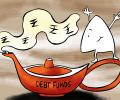
Besides high portfolio yield, investors may enjoy capital gains in debt funds in 2023 as bonds rally in anticipation of rate cuts.

'The problem is that the bubble may not only be in valuations, but also in investors' minds.'
Because of local and global problems, inflation pressures may continue, helping these schemes perform better.

In September, net equity inflows stood at Rs 6,609 crore, compared to Rs 9,152 crore in the previous month. In the last four months, this is the lowest net inflow tally seen by the equity category.

Investors should view the increase in the LTCG tax rate in conjunction with the increase in capital gains exemption from Rs 1 lakh to Rs 1.25 lakh, which will provide some relief.

In 2021, there is the risk of interest rates spiking. Investors should tackle duration risk with a longer investment horizon, suggests Sanjay Kumar Singh.

The financial services sector, including NBFCs and housing finance companies (HFCs), have historically been the largest borrowers from MFs.

If you are in credit opportunity funds, income funds or dynamic bond funds for a long-term goal, stay put.
Nearly three-fourths of the debt money, as of April 30, 2019, was invested in securities with duration of less than three years.

The total amount of money various entities have raised through the private placement route is at its lowest since 2014. They raised a total of Rs 1.96 trillion in the first five months of 2022, revealed the numbers from PRIME Database. It is down 23.4 per cent from the Rs 2.56 trillion raised in the corresponding period in 2021.

RBI awaits fiscal stance, inflation to cool off to decide on rates.
